If you are wondering how to use keyword planner for SEO, you are not alone. Google Keyword Planner is one of the most effective free tools for finding keywords, understanding search trends, and creating content that can rank higher on search engines. Whether you are a blogger, business owner, or digital marketer, learning how to use this tool can improve your SEO strategy significantly.
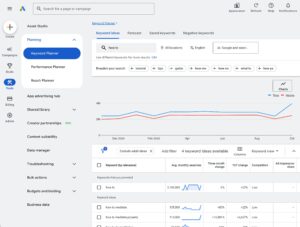
Google Keyword Planner is a free keyword research tool provided by Google Ads. Although it was designed for advertisers, SEO professionals also use it to discover keywords, estimate search volume, and identify content opportunities.
With this tool, you can:
- Find new keyword ideas.
- Analyze monthly search volume.
- Understand keyword competition.
- Plan content around user intent.
- Improve organic search visibility.
How to Use Keyword Planner for SEO
Understanding how to use keyword planner for SEO can help you target the right audience and create content that ranks.
Step 1: Access Google Keyword Planner
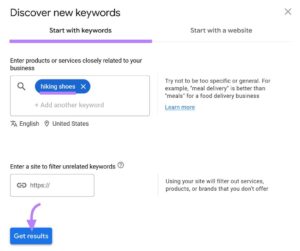
First, create or sign in to your Google Ads account. After logging in:
- Click Tools and Settings.
- Select Keyword Planner.
- Choose Discover New Keywords.
This section allows you to find keyword ideas related to your topic or niche.
Step 2: Enter Your Main Keyword
Suppose your topic is SEO. Enter terms such as:
- SEO tools
- Keyword research
- Content marketing
- On-page SEO
Google will generate hundreds of related keyword suggestions. This is one of the most important parts of learning how to use keyword planner for SEO effectively.
Step 3: Analyze Search Volume
The tool displays:
- Average monthly searches
- Competition level
- Search trends
Look for keywords that have:
- Moderate to high search volume
- Low or medium competition
- Clear user intent
These keywords are often easier to rank for compared to highly competitive terms.
Benefits of Using Keyword Planner for SEO

There are several advantages to using Google Keyword Planner:
1. Find Long-Tail Keywords
Long-tail keywords are specific phrases that attract targeted traffic and often have lower competition.
2. Understand User Intent
Keyword Planner helps you identify what users are searching for and create content that answers their questions.
3. Plan Content Topics
By analyzing keyword trends, you can develop blog posts, landing pages, and service pages that match audience demand.
4. Improve Organic Rankings
Consistent keyword research helps improve website visibility and increase organic traffic over time.
Common Mistakes to Avoid
When learning how to use keyword planner for SEO, avoid these mistakes:
- Targeting only high-volume keywords.
- Ignoring long-tail keywords.
- Stuffing keywords unnaturally.
- Overlooking search intent.
- Creating content without proper optimization.
SEO is not just about keywords. Quality content and user experience are equally important.
Best Practices for Better Results
To maximize the effectiveness of Keyword Planner:
- Focus on relevant keywords.
- Use related semantic keywords naturally.
- Analyze competitors.
- Update content regularly.
- Combine keyword research with on-page SEO.
Consistency is more important than chasing every trending keyword.
Best Practices for Using Keyword Planner Effectively
Learning how to use keyword planner for SEO is not just about finding keywords. It is also important to use the data strategically. Focus on keywords that are relevant to your niche and align with user intent. Instead of targeting only high-volume keywords, look for long-tail keywords with lower competition and higher conversion potential. Regularly update your content based on keyword trends and analyze competitor strategies to identify new opportunities. By following these best practices, you can make better content decisions and improve your website’s visibility in search engine results over time.
Another advantage of understanding how to use keyword planner for SEO is that it helps you create content that addresses what users are actively searching for. Combining keyword research with quality content and on-page optimization can increase organic traffic and support long-term growth. Consistent keyword analysis allows businesses and marketers to stay ahead of changing search trends and maintain a strong online presence.
Summary
Learning how to use keyword planner for SEO is essential for anyone who wants to improve search rankings and attract targeted visitors. Google Keyword Planner provides valuable insights into search volume, competition, and keyword opportunities, making it easier to create content that aligns with user intent.
If you are looking for professional SEO and digital marketing services, you can also explore Digital Marketing Strategist in Kannur to learn more about strategies that help businesses grow online.
By using Keyword Planner strategically and producing high-quality content, you can build a strong SEO foundation and achieve long-term organic growth.